
Why INT2ACT?
I believe that the INT2ACT consortium is a fantastic opportunity to foster collaboration between industry and academia. For a graduate student this opportunity means extensive interactions with renowned researchers, startups, and other students, and an exciting opportunity for learning and advancing the frontiers of science.
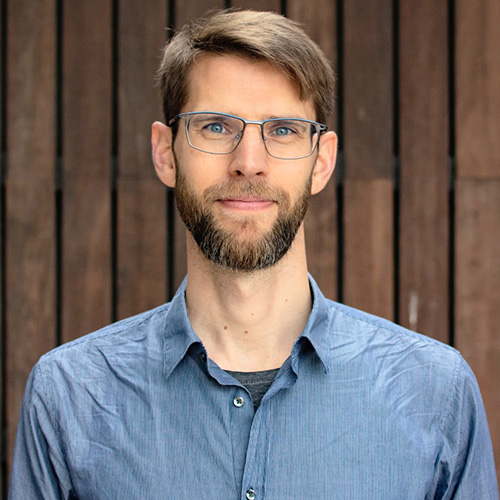

Dr. Marc Weber is the Bioinformatics Lead at Flomics Biotech SL in Barcelona, Spain.
Flomics Biotech is a pioneering biotechnology start-up that integrates genomics and bioinformatics to transform cancer detection and diagnosis. Their research focuses on developing a liquid biopsy test which combines optimized plasma cell-free RNA (cfRNA) profiling, based on Next-generation sequencing (NGS), with state-of-the-art machine learning data analysis implemented in the cloud to detect disease signatures, such as cancer, in an accurate, fast and minimally invasive way.
They investigate novel approaches to overcome the challenges in cfRNA biomarker discovery, which include low RNA amounts, lack of gold standard, weak signals and technical and biological variability. They develop strategies to increase the quality of the cfRNA data, at the level of sample collection, via their numerous collaborations with biobanks and hospitals, at the level of cfRNA extraction protocol, by optimizing their experimental in-house pipeline, and at the level of data analysis, by exploring advanced data normalization and unwanted variation removal methods.
At Flomics, Dr. Weber develops data analysis, bioinformatics and machine learning strategies to harness the full potential of cell-free RNA biomarkers. His activities include supporting the management of the Bioinformatics team, supervising master students, developing bioinformatics pipelines and leading scientific research projects.
I am originally from Switzerland, where I studied my master degree in Physics at the EPFL. At that time I loved to describe the world through physics, but I had always been fascinated by the complexity of life. Something as simple as a unicellular organism already seemed impossible to explain using the rules of physics. I tried anyway, and (mostly) failed. Along the path I got interested in molecular biology, genomics, and bioinformatics, and how mathematical models could explain some—a very small part—of this complexity. I was fortunate to collaborate with wet lab scientists which helped me understand better how data was generated, and introduced me to the new era of omics technologies. I find it very exciting to apply these techniques to biomedical challenges, where new advances can have a real-world impact.
My scientific expertise lies in biological and omics data analysis, computational software development, statistics, as well as mathematical modeling of biological systems. I obtained my PhD in Physics (2014) from the University of Barcelona, where I developed mathematical models of stochastic fluctuations in gene regulatory networks and in bacterial populations communicating through chemical signals. During my doctoral studies, I trained abroad as a visiting student at the Jeff Hasty’s Biodynamics lab at UC San Diego to learn fluorescence microscopy and microfluidic device technology. I then spent 7 years (2015-2022) as a postdoctoral researcher in the group of Luis Serrano at the Centre for Genomics Regulation in Barcelona. There, I developed quantitative approaches to understand and rationally modify a minimal bacterial organism, by integrating a variety of omics data such as ribo-seq, transcriptomics, genomics and proteomics, together with machine learning methods, working in close collaboration with wet-lab scientists. I joined Flomics as a Bioinformatics Senior Scientist in 2022, where I perform scientific research and development in the field of liquid biopsy.
Weber M, Sogues A, Yus E, et al. (2023) Comprehensive quantitative modeling of translation efficiency in a genome‐reduced bacterium. Mol Syst Biol. 19(10):e11301. http://doi.org/10.15252/msb.202211301
Benisty H, Hernandez-Alias X, Weber M, et al. (2023) Genes enriched in A/T-ending codons are co-regulated and conserved across mammals. Cell Syst. 14(4):312-323.e3. http://doi.org/10.1016/j.cels.2023.02.002
Weber M, Burgos R, Yus E, Yang J, Lluch‐Senar M, Serrano L. (2020) Impact of C‐terminal amino acid composition on protein expression in bacteria. Mol Syst Biol. 16(5):e9208. http://doi.org/10.15252/msb.20199208
Benisty H, Weber M, Hernandez-Alias X, Schaefer MH, Serrano L. (2020) Mutation bias within oncogene families is related to proliferation-specific codon usage. Proc Natl Acad Sci. 117(48):30848-30856. http://doi.org/10.1073/pnas.2016119117